
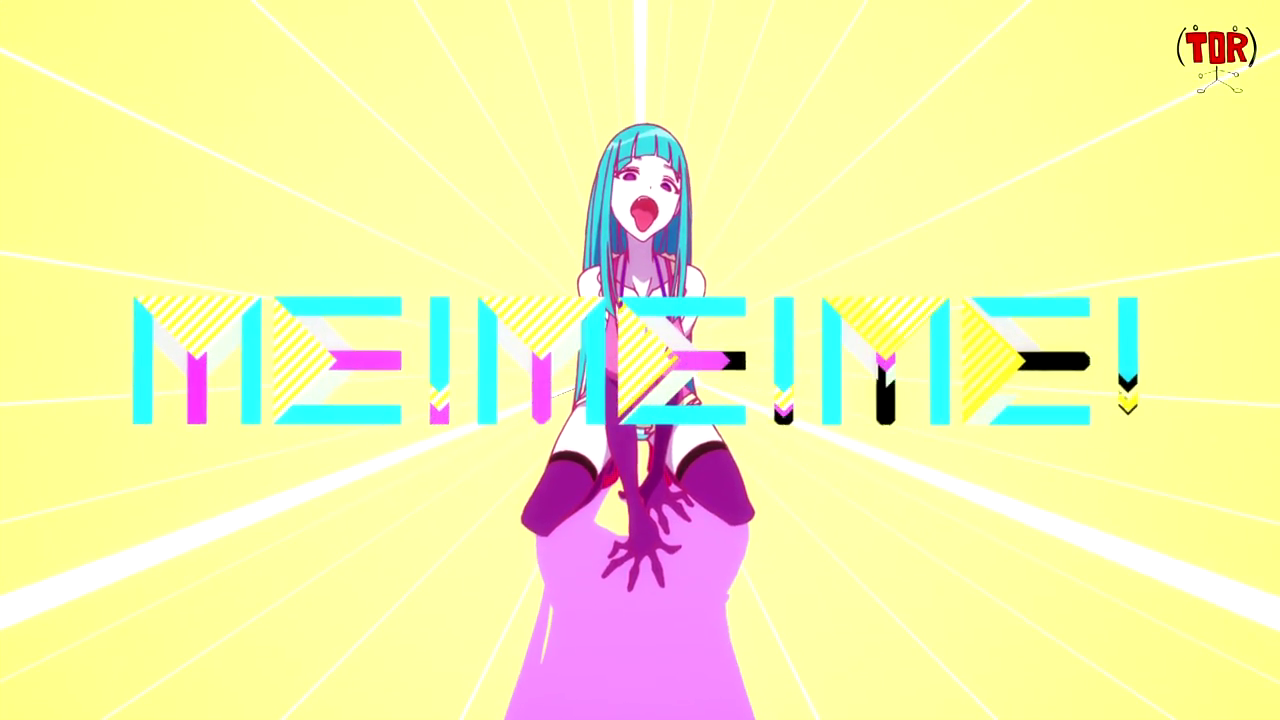
Question: I was curious what your thoughts were on the short film / music video ME!ME!ME! feat. daoko / TeddyLoid? What is your view on the social commentary hinted at through the video?
Answer: Director Hibiki Yoshizaki’s original anime music video “ME!ME!ME! feat. daoko” is an intriguing and provocative work because of its explicit content and more so because it offers a variety of potential interpretations. The official description of the video, “You are attacked and ravished by many girls,” immediately suggests the conventional anime trope of male wish fulfillment: the harem fantasy. However, as I interpret it, this video actually depicts the opposite side of the coin. The video illustrates an otaku convention rather than an anime trope. The video illustrates the Japanese social construct of “only loving 2D.” I’ll explain my interpretation of the video in detail, with illustrations. Given the nature and content of the video, the following screencaps will include nudity and gore.
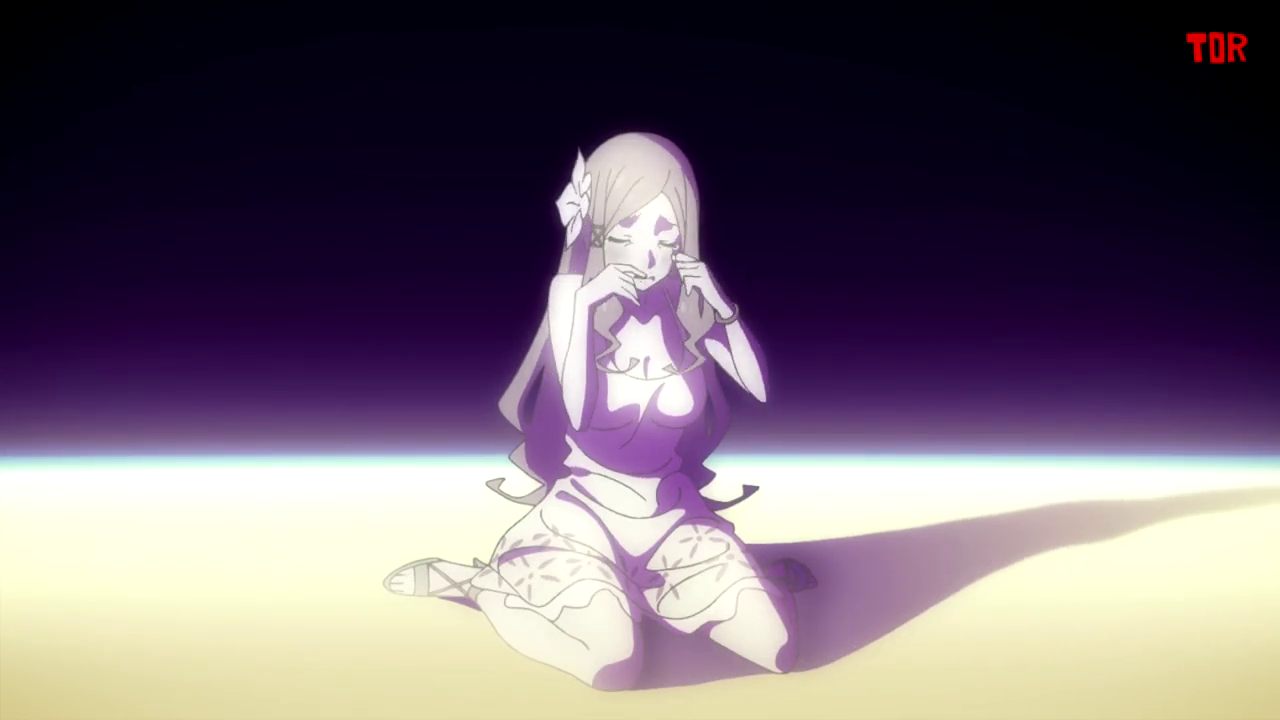
The slightly non-linear narrative of the music video depicts a teen boy who the viewer can presume has had a break-up with his girlfriend. He had pleasant dates with her until a conflict arose that left her in tears.
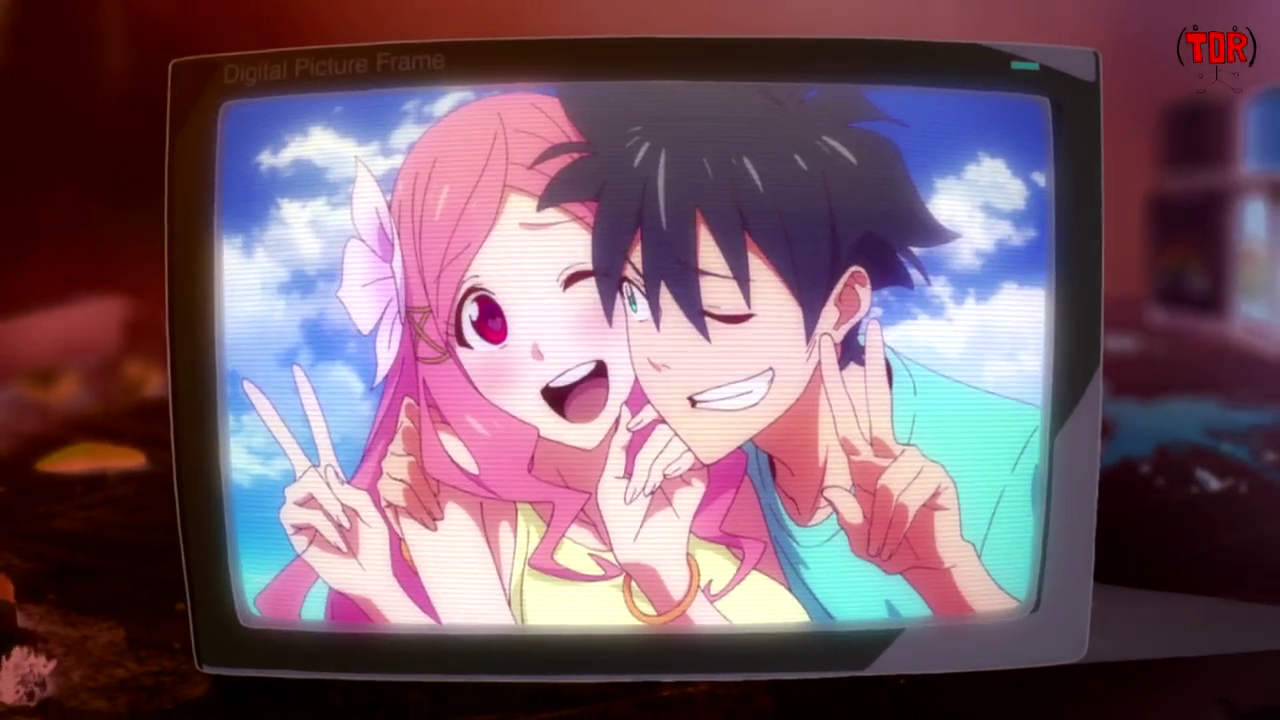
Confused and frightened, the boy didn’t know how to approach the girl. Rather than attempt to repair his relationship with his girlfriend, he turned his back to her, feeling as though she had intimidated him.
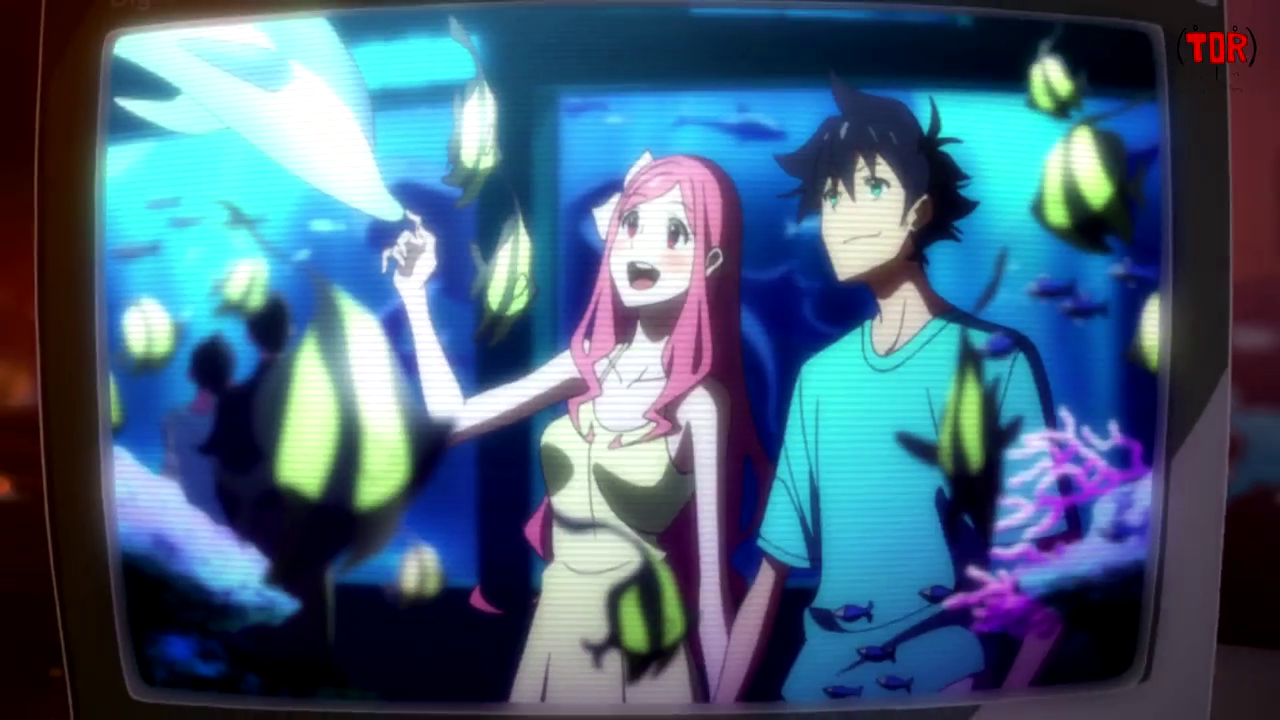
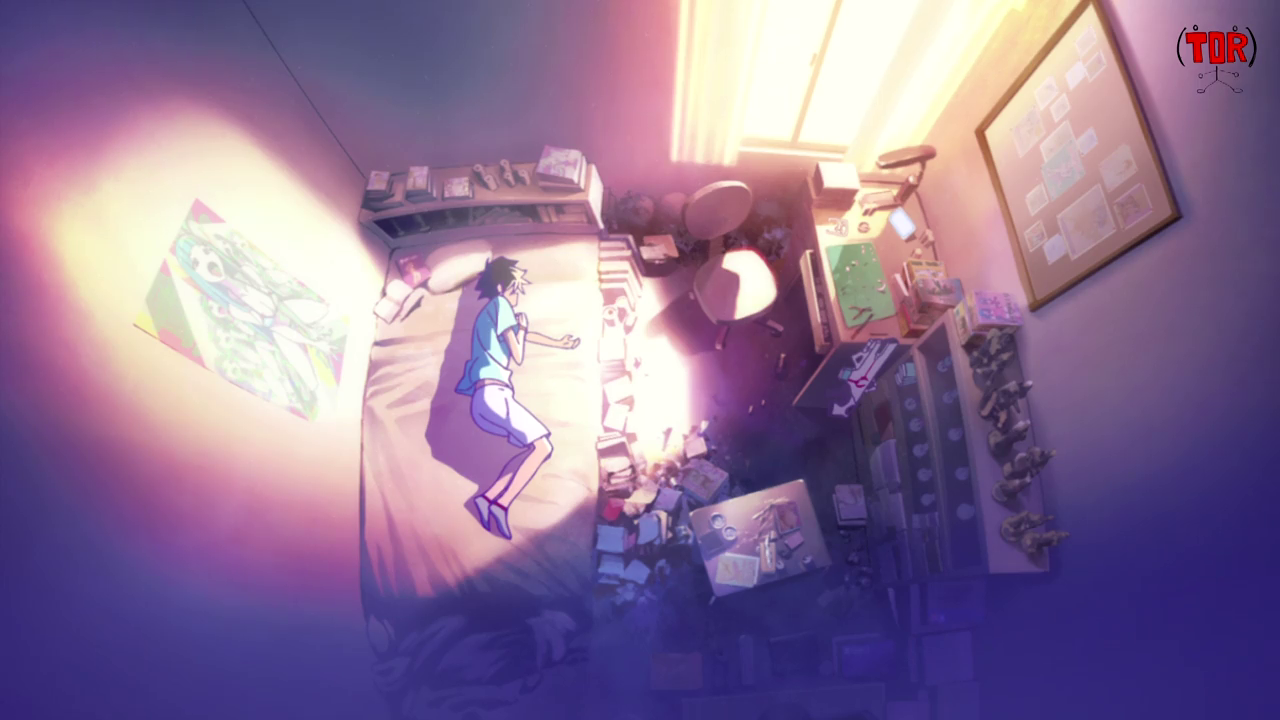
Echoing the video’s title, “Me! Me! Me!” the boy feels as though the girl is placing stress and pressure on him. He feels victimized, so he shuts himself into his bedroom, his personal, safe, private space.
Although the boy did have a girlfriend, he hadn’t yet consumated his relationship. The cherries surrounding him suggest that he’s a “cherry boy,” still a virgin.
As a natural teen boy, he’s sexually attracted to women, and his imagination fetishizes and objectifies women as sex objects.
But, as represented by his defective digital photo frame, his “vision” of women has become broken, corrupted.
He sees women as attractive, but he also sees an underlying side to them.
Women have strings attached.
Women represent a complex, tempting prison.
Women are two-faced and evil.
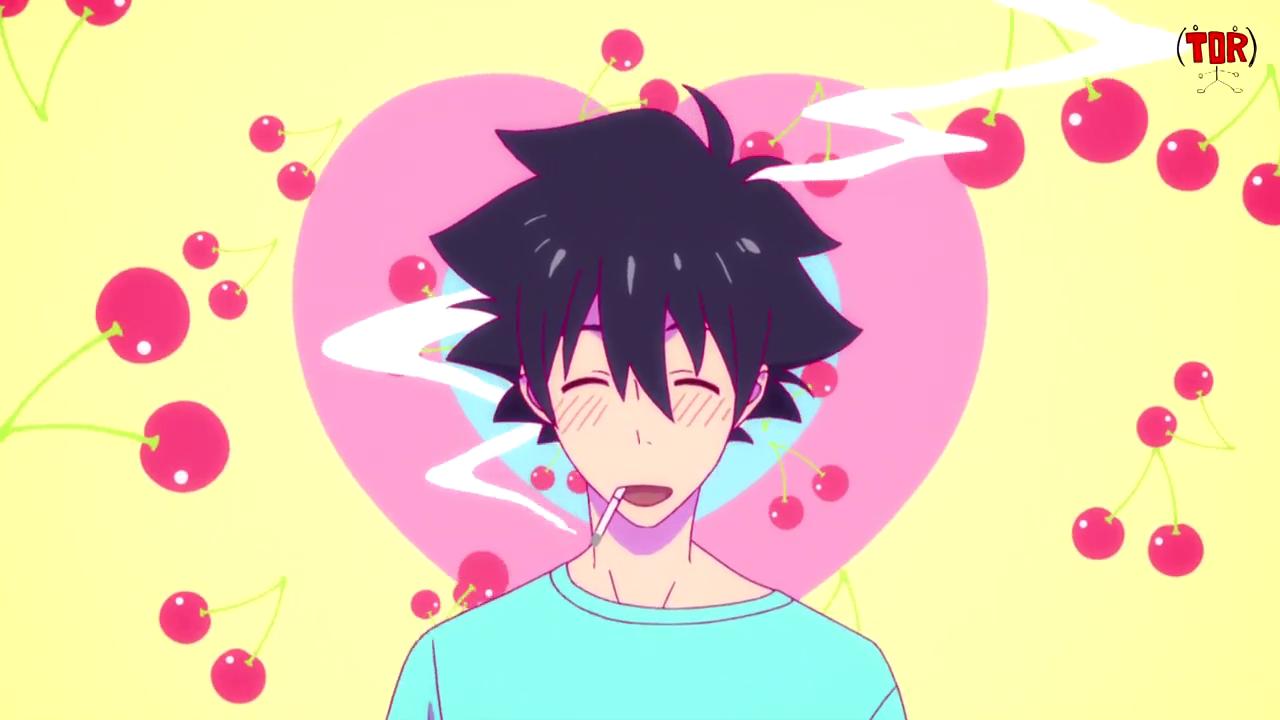
The boy feels crushed and overpowered by women.
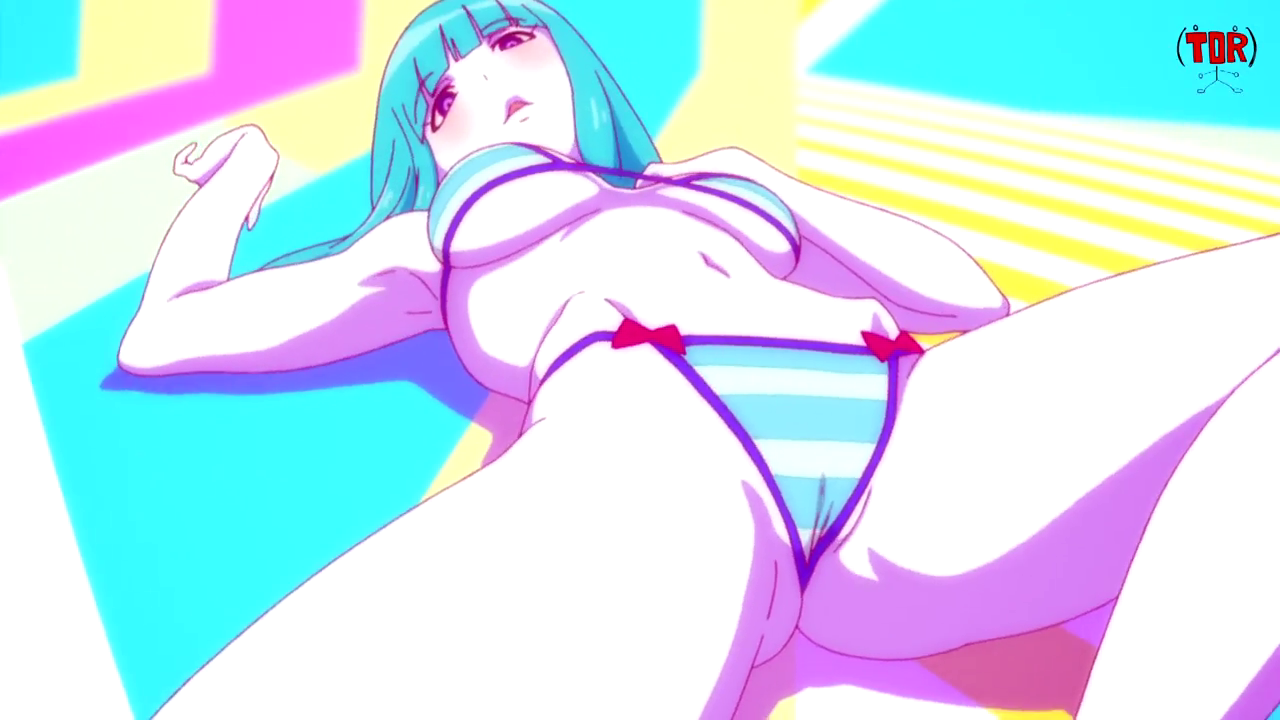
“Woman” drowns him. (I don’t understand why numerous critics believe that this scene represents drug use.)
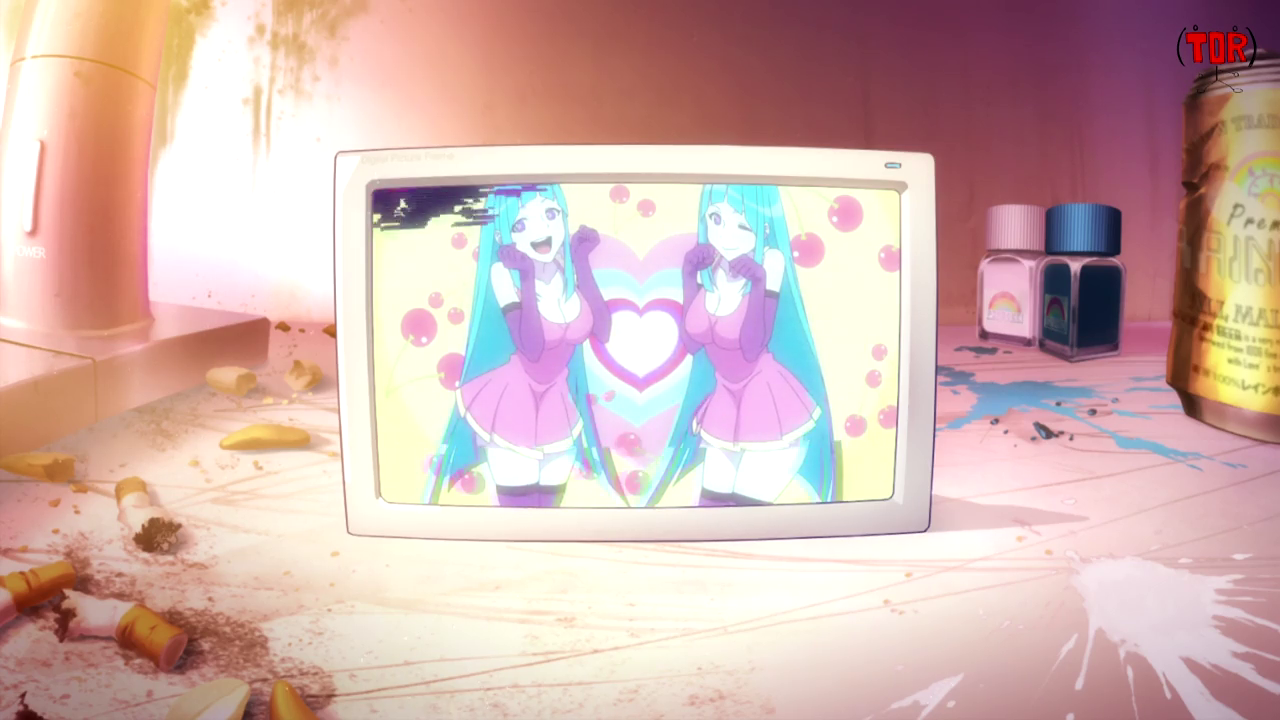
“Woman” consumes him.
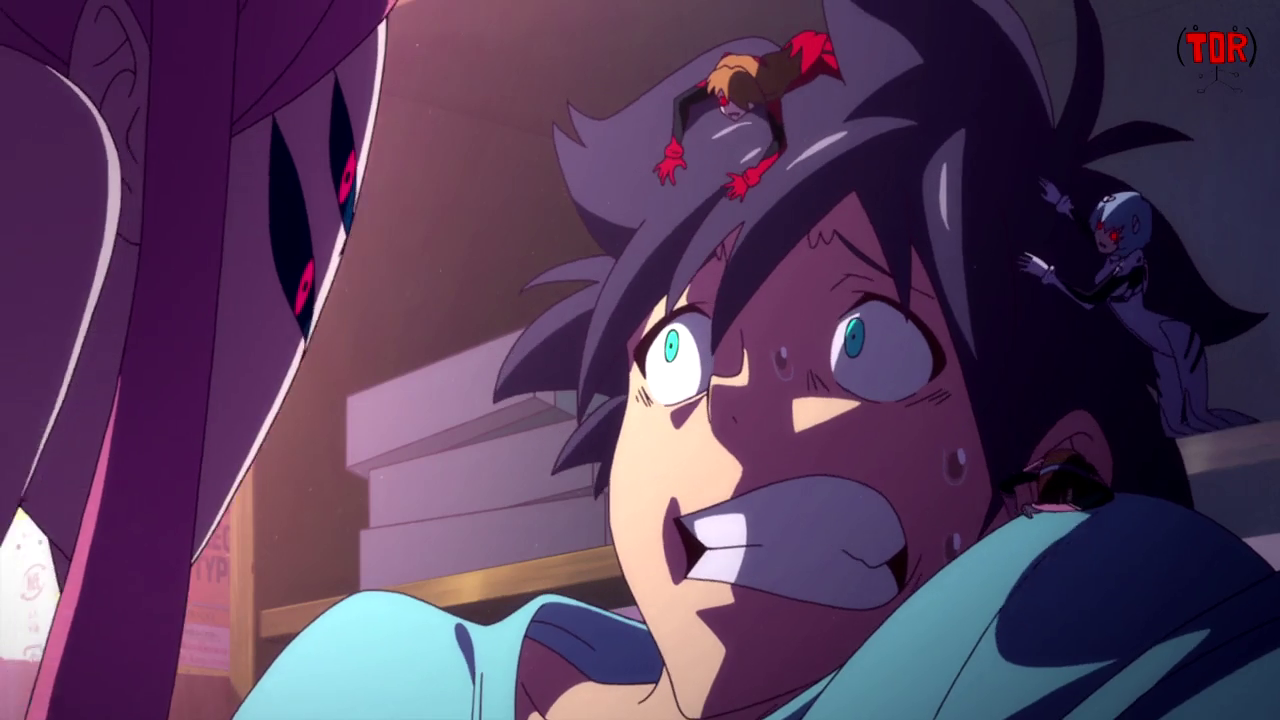
The more he sullenly thinks about his dilemma, the more insidious it becomes, to the extent that “woman” even invades his private sanctuary…
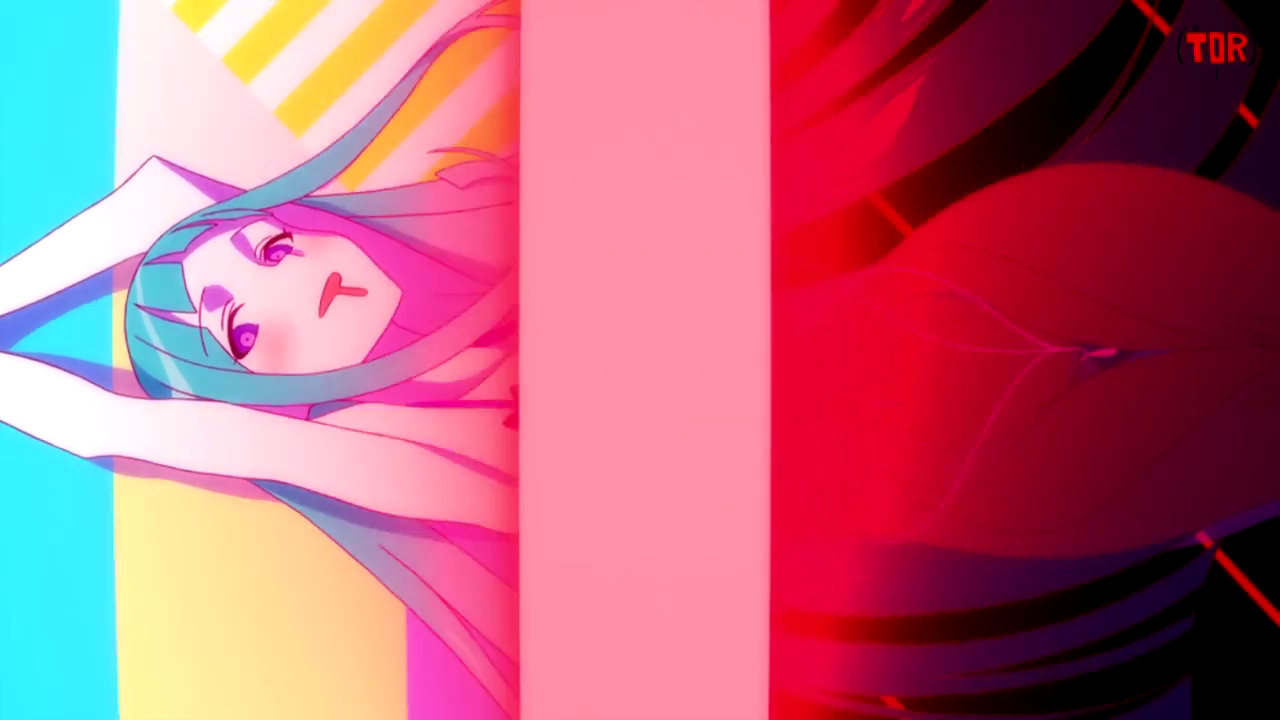
and turns even his beloved 2D girls against him.
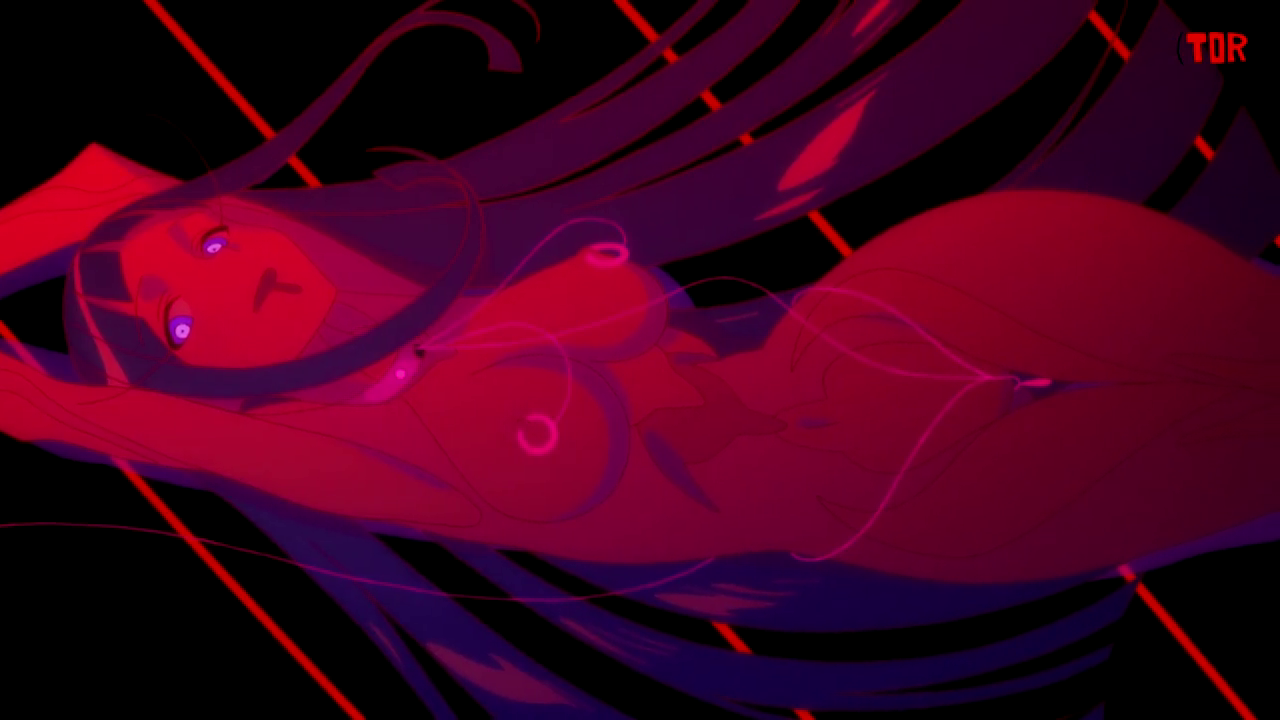
So the boy faces his fears and comes to a painful resolve.
He “steels” himself against his enemy, females. He puts on armor to protect himself, his fragile emotions, from the hurt caused by women.
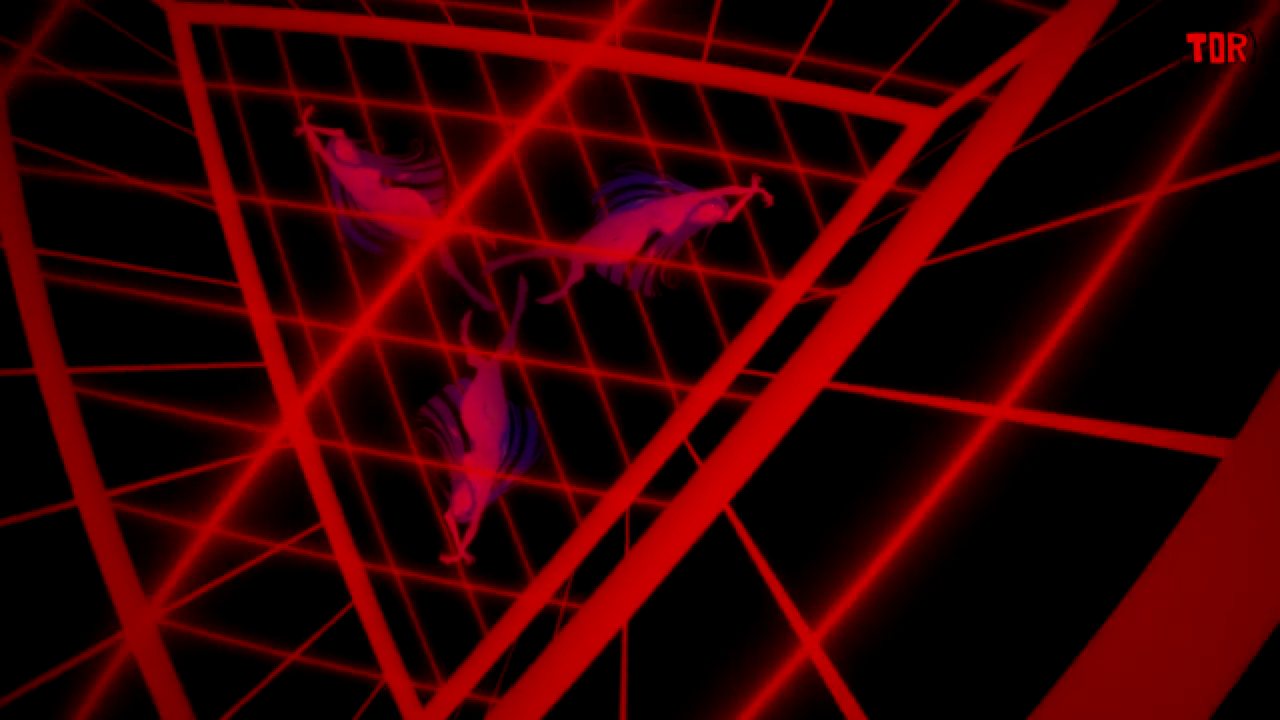
He shoots down women that approach him, using the imaginary context that he’s familiar with, the sci-fi video game.
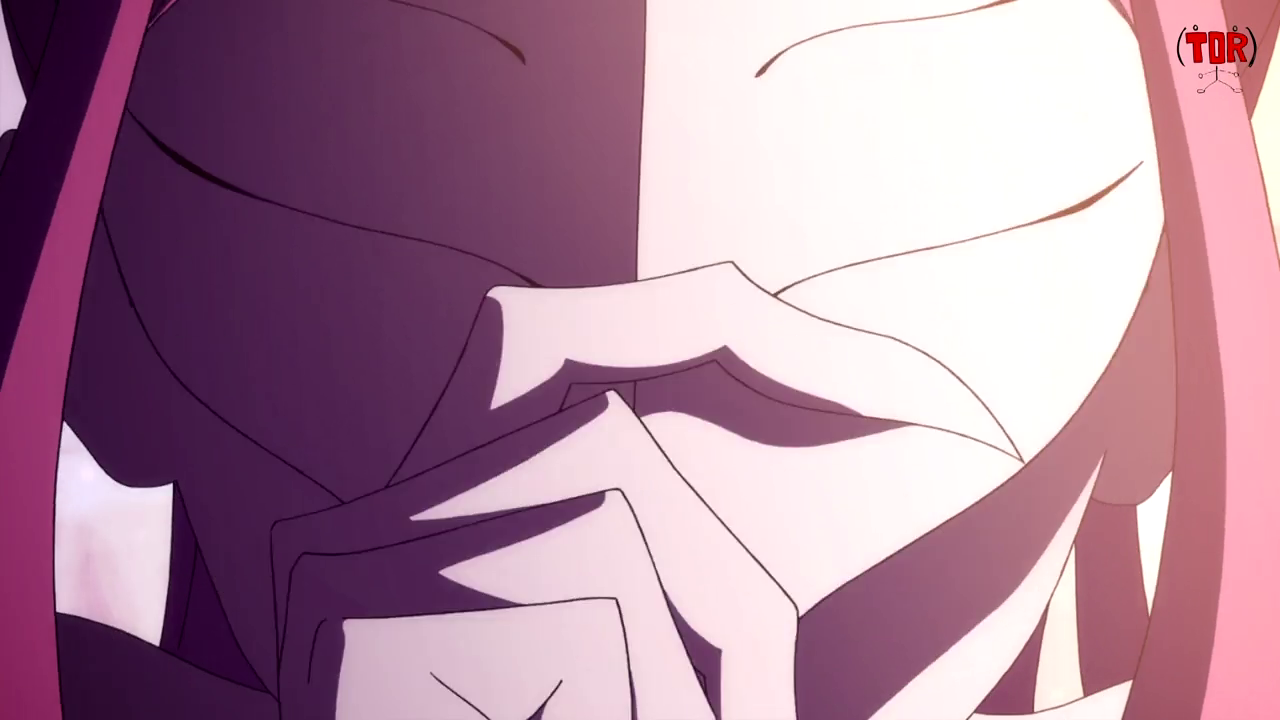
He tries to break through his painful memories, but doing so also hurts him.
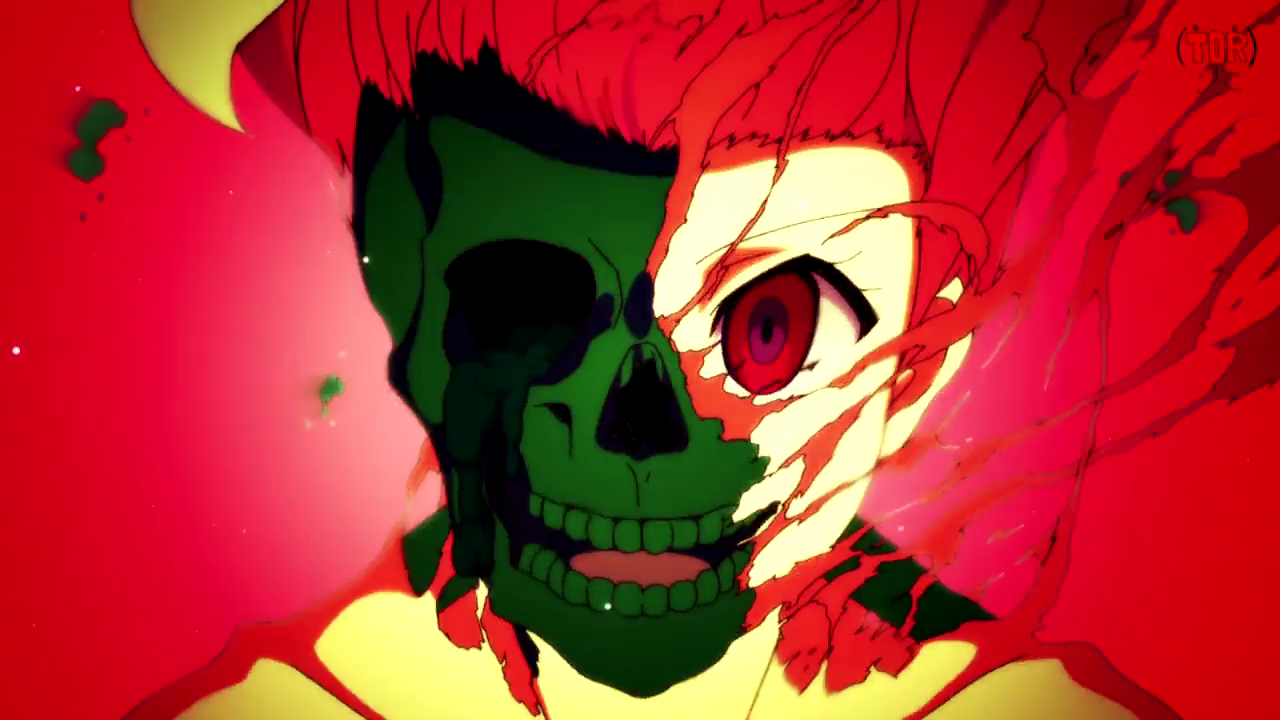
His affection for his girlfriend reaches out to him. He still longs for a compassionate, normal relationship with girls.
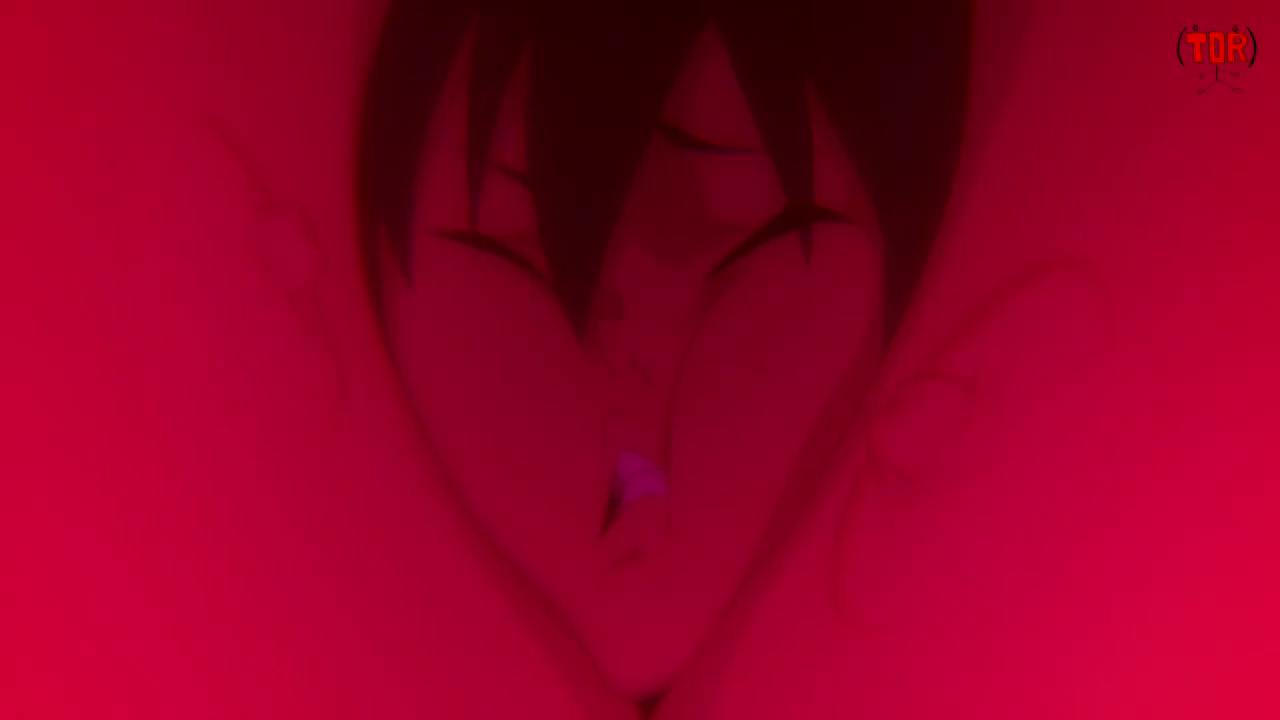
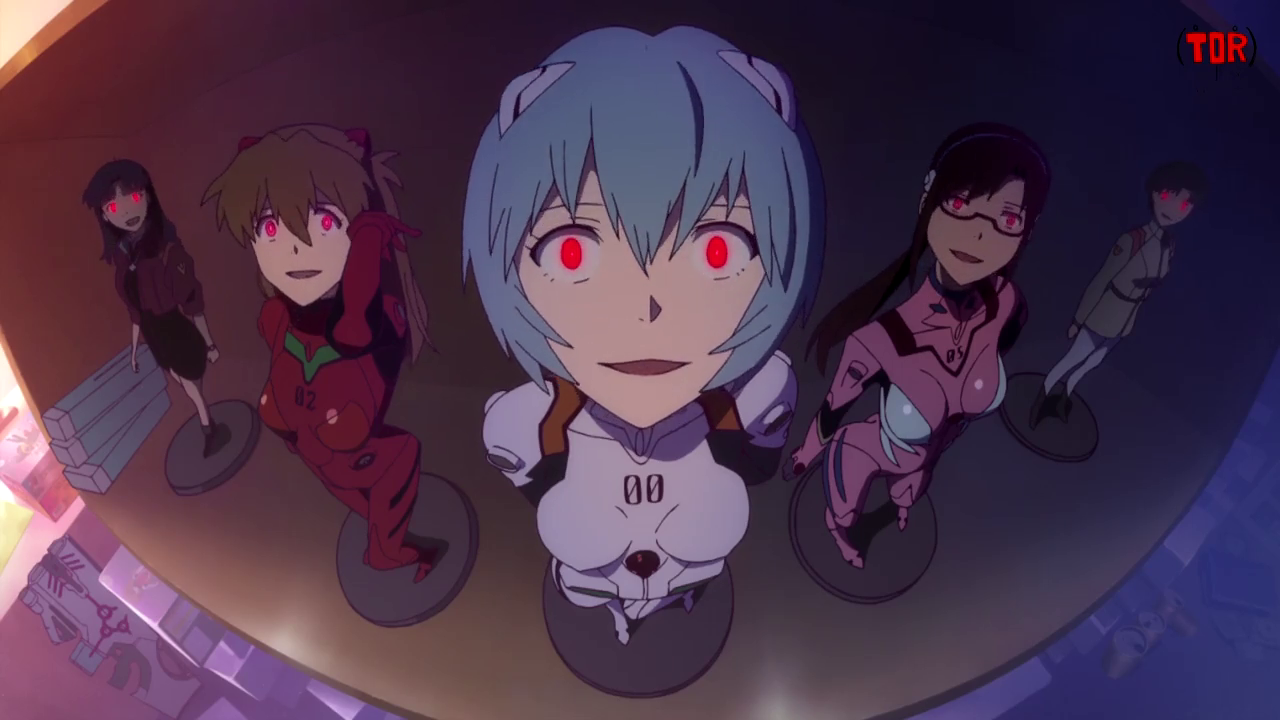
However, the stylish but “alien” queen of the women still holds his fond memories hostage, still conjoins his attraction to girls with his fear of women.
Ultimately, the queen swallows up and shatters the boy’s good memories.

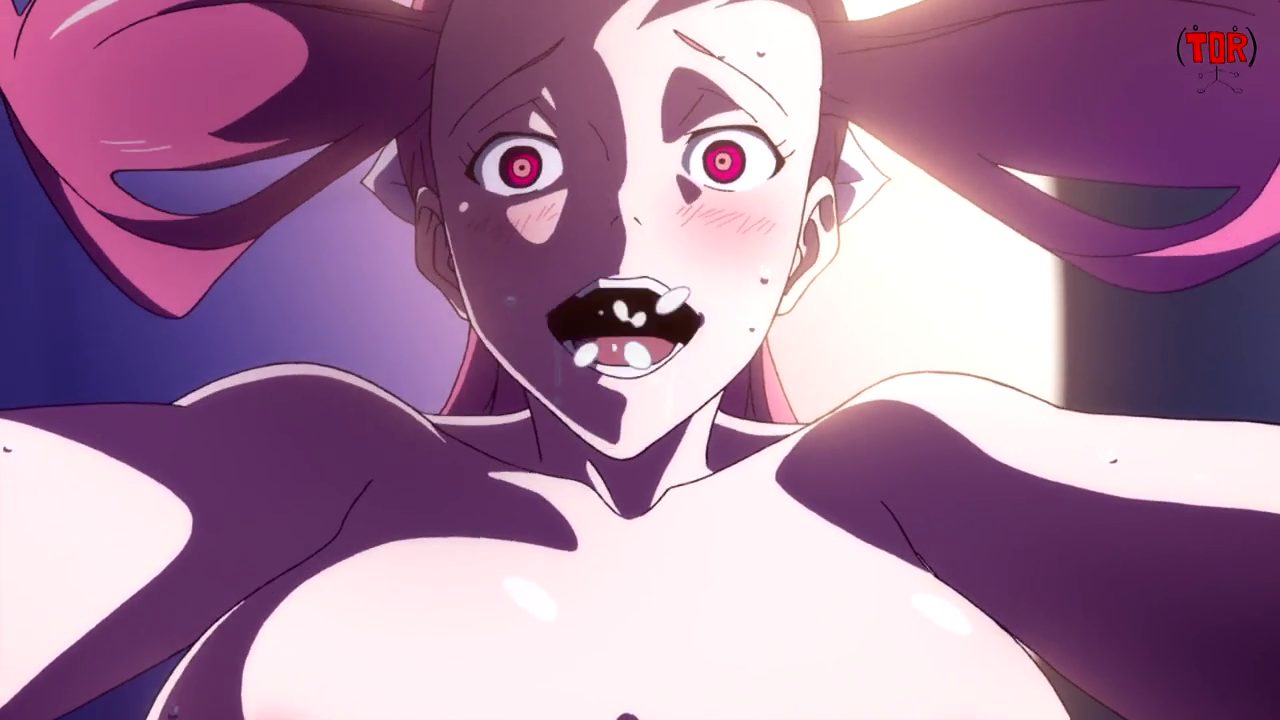
Women use their femininity to attack him.

The boy tearfully tries to defend himself from emotional pain.
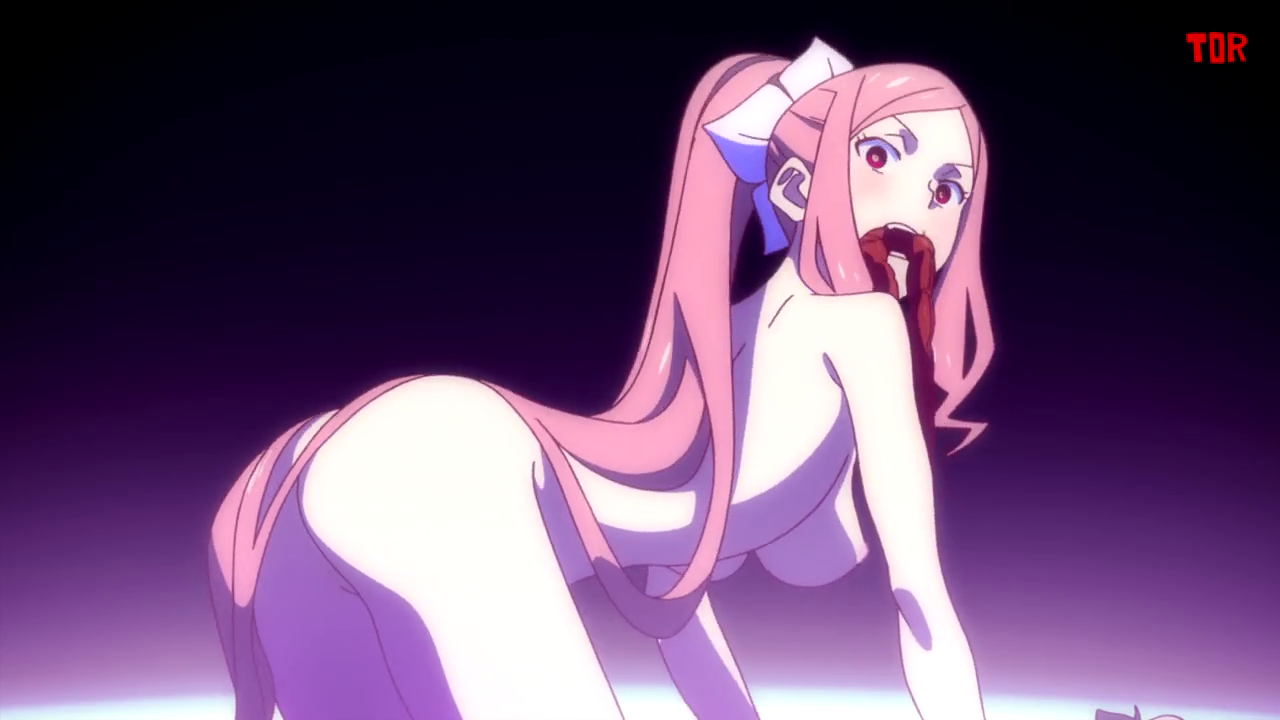
Yet women still laugh on the soundtrack while they tear him to pieces.
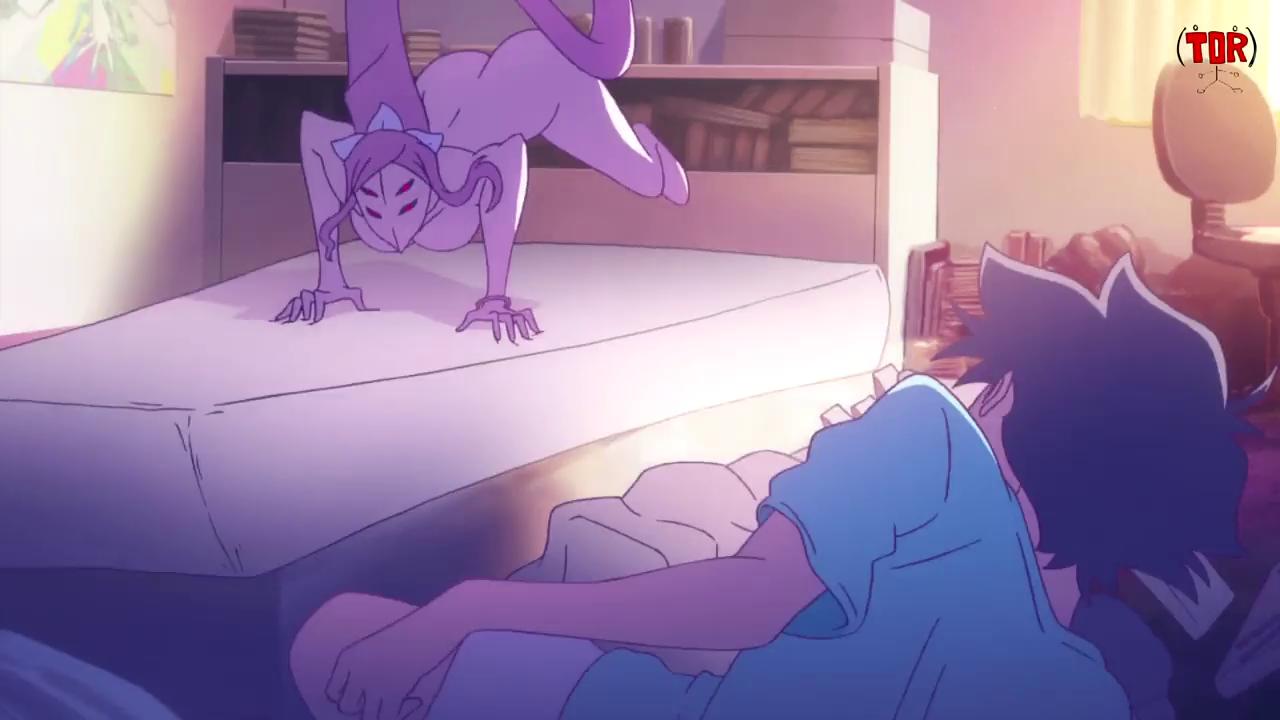
The women surround him to gloat over having figuratively and literally broken him down and belittled him.
His girlfriend, now conflated with “the enemy,” kisses what’s left of him, symbolically merging sex with emotional agony. The boy cries when the female kisses him.
The kiss leaves what’s left of the boy as a lifeless, decomposed corpse, a broken man.
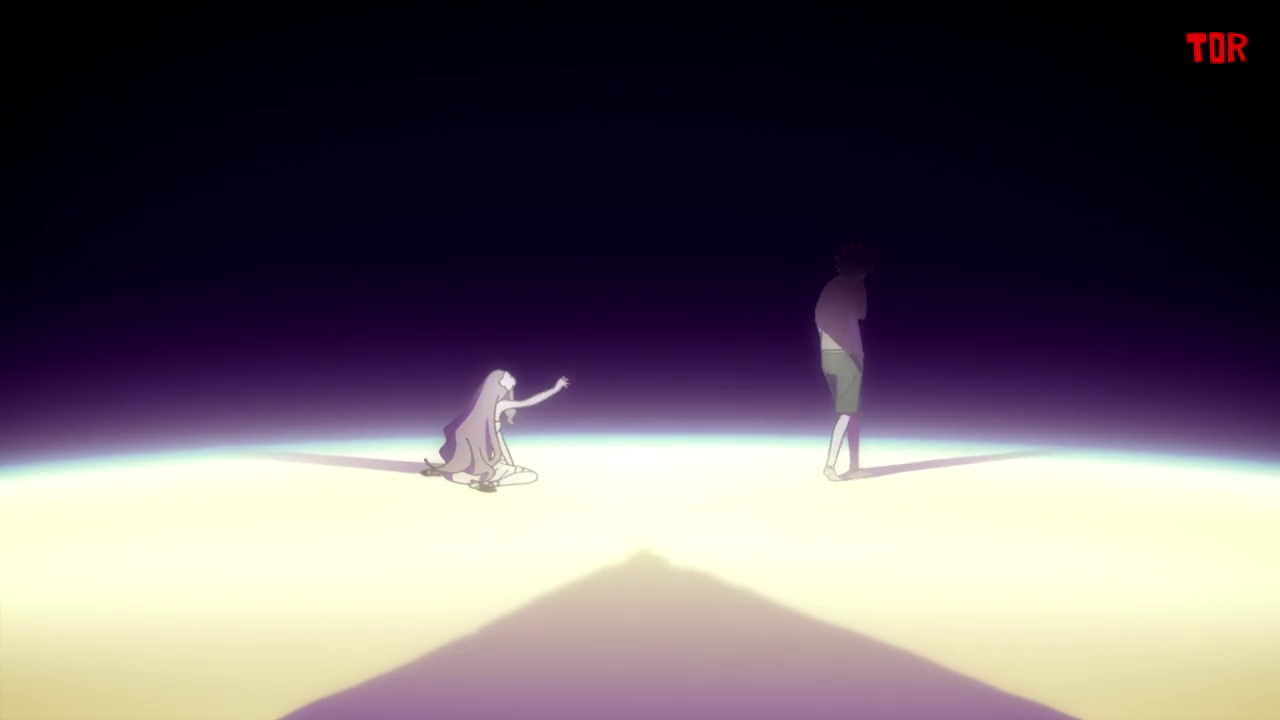
The video ends with the exact same shot that it began with: the boy alone, isolated in the company of his 2D women and his model kits that he can construct as he chooses, items that can comfort him without causing him emotional angst or confusion.
The last lyric of the song is “sayonara,” suggesting that the boy has bid farewell to women and difficult social relationships; he’s conflicted but determined to stay in the safe, solitary company of his anime and models.
After composing my own interpretation, I did a web search for other criticisms and interpretations. I encountered a number of analysis that interpreted the video entirely oppositely to the way I did. I encountered several interpretations that suggest that the video represents the boy’s effort to stop being an otaku, that the video is a criticism of hikikomori otaku culture. However, I don’t see any consistent symbolism within the video that supports that interpretation. Furthermore, numerous interpretations of the video cite Hideaki Anno’s influence and involvement in the production, yet Hideaki Anno is a well-known advocate of otaku culture, not an opponent of otaku culture. Personally, I can’t imagine why animators that previously worked on anime including Evangelion 3.0, Space Dandy, and Yozakura Quartet - anime that celebrate and encourage the fantasy and fetishization inherent within anime - would suddenly turn about face and create a music video that supposedly discourages and criticizes viewer engagement with anime and the content of contemporary anime. Nothing within Space Dandy, for example, suggests that an obsession with two-dimensional “boobies” is bad or unhealthy.
After all, if the video is supposed to criticize anime and suggest that contemporary anime is negative, why would the video include Evangelion figures? I see no evidence at all that video director Yoshizaki and studio Khara want to suggest that their own creation, Evangelion, is a negative influence on anime production and something that viewers should try to distance themselves from. I think that many English-speaking critics are attempting to construct an interpretation of the video that supports their own American attitudes about contemporary anime instead of objectively examining the complete content and cultural/artistic context of the video. As far as I can see, the artists who created the video do not oppose otaku culture or the attributes of contemporary anime, and this music video illustrates, without positive or negative comment, the Japanese otaku sentiment that 2D girls are better than real-world women.